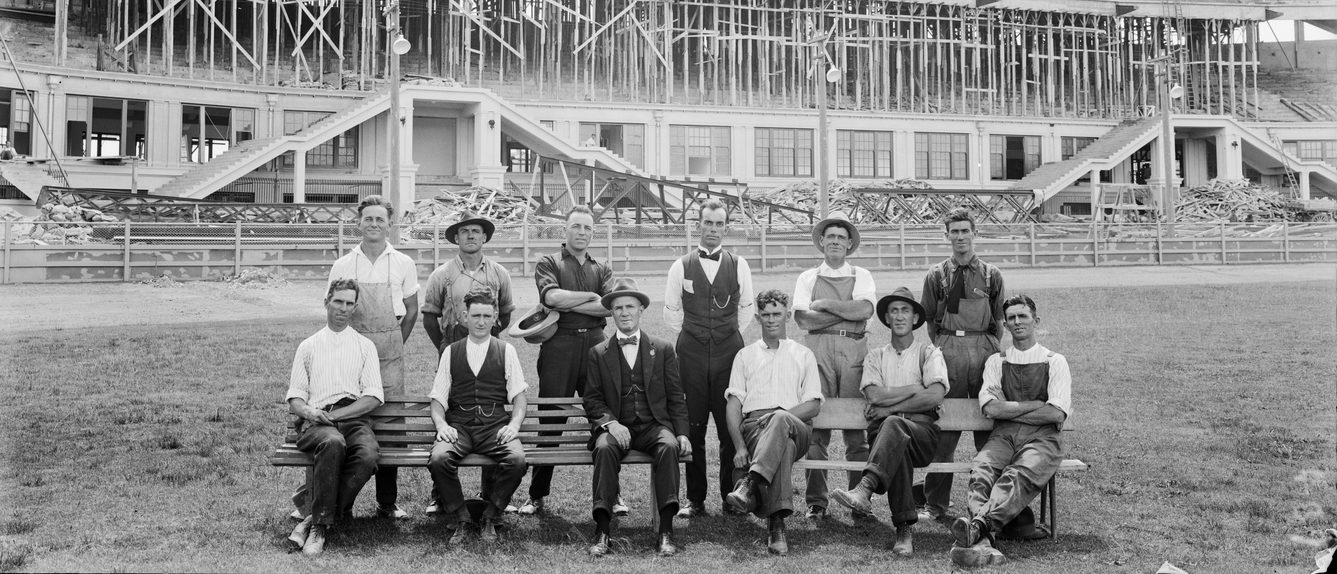
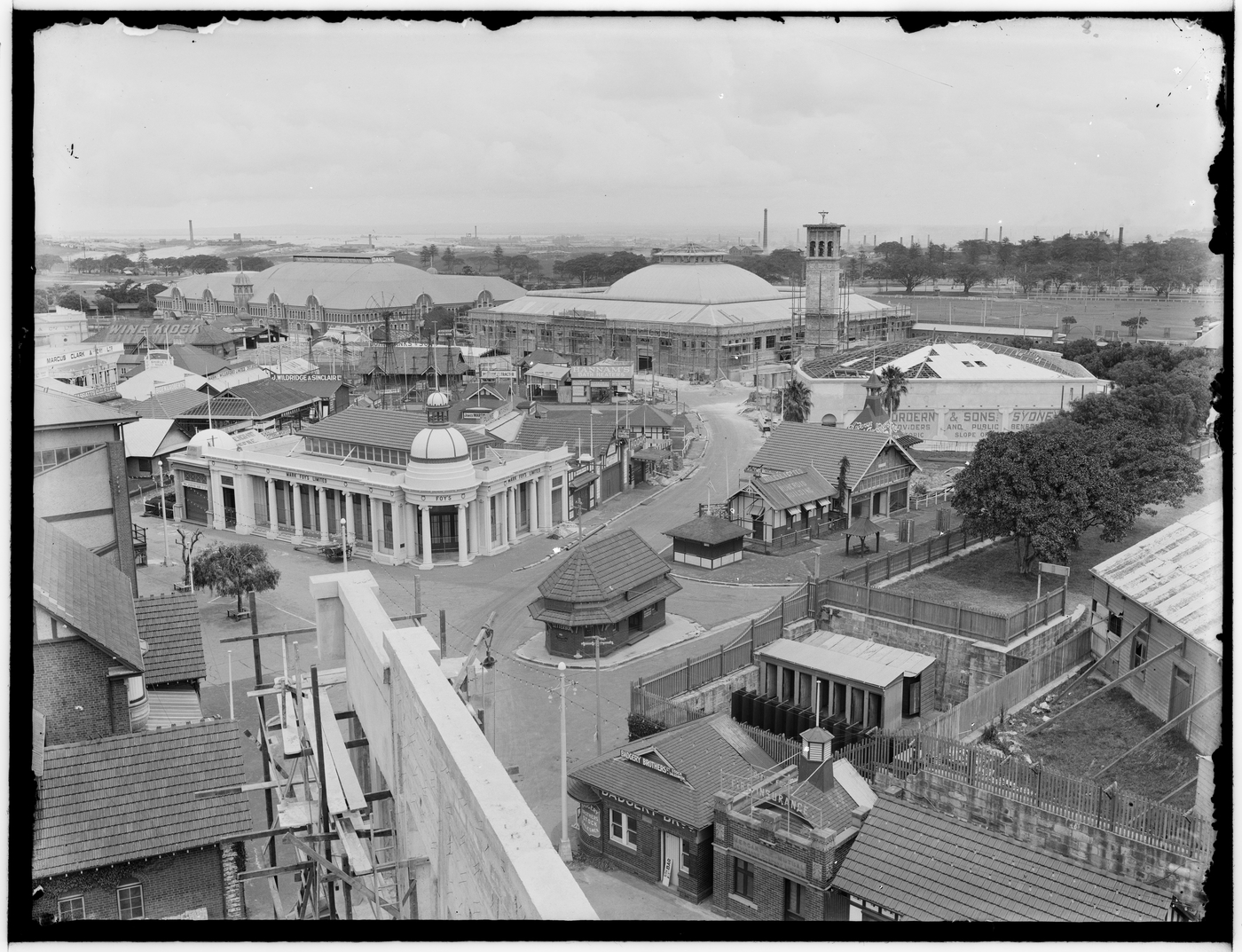
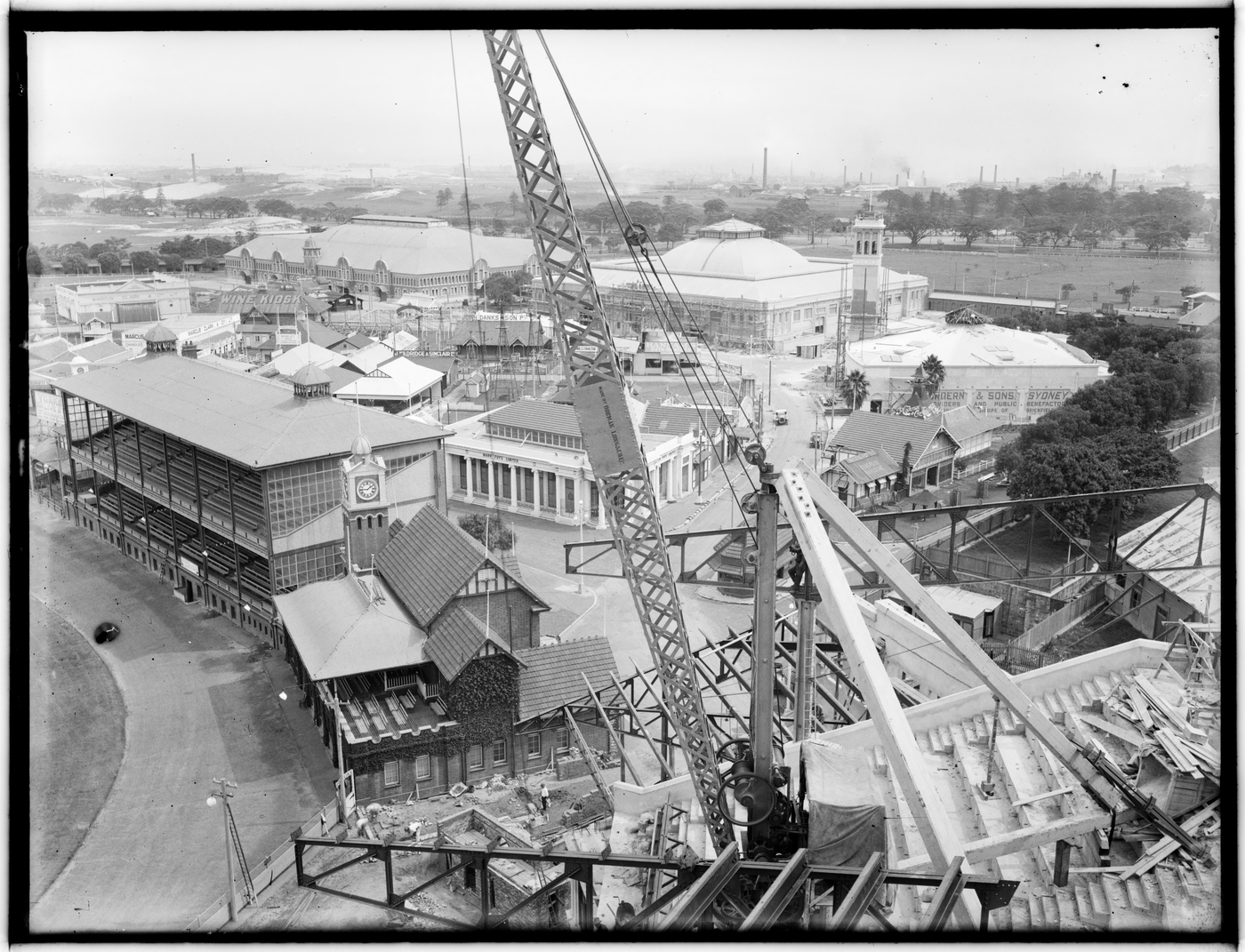
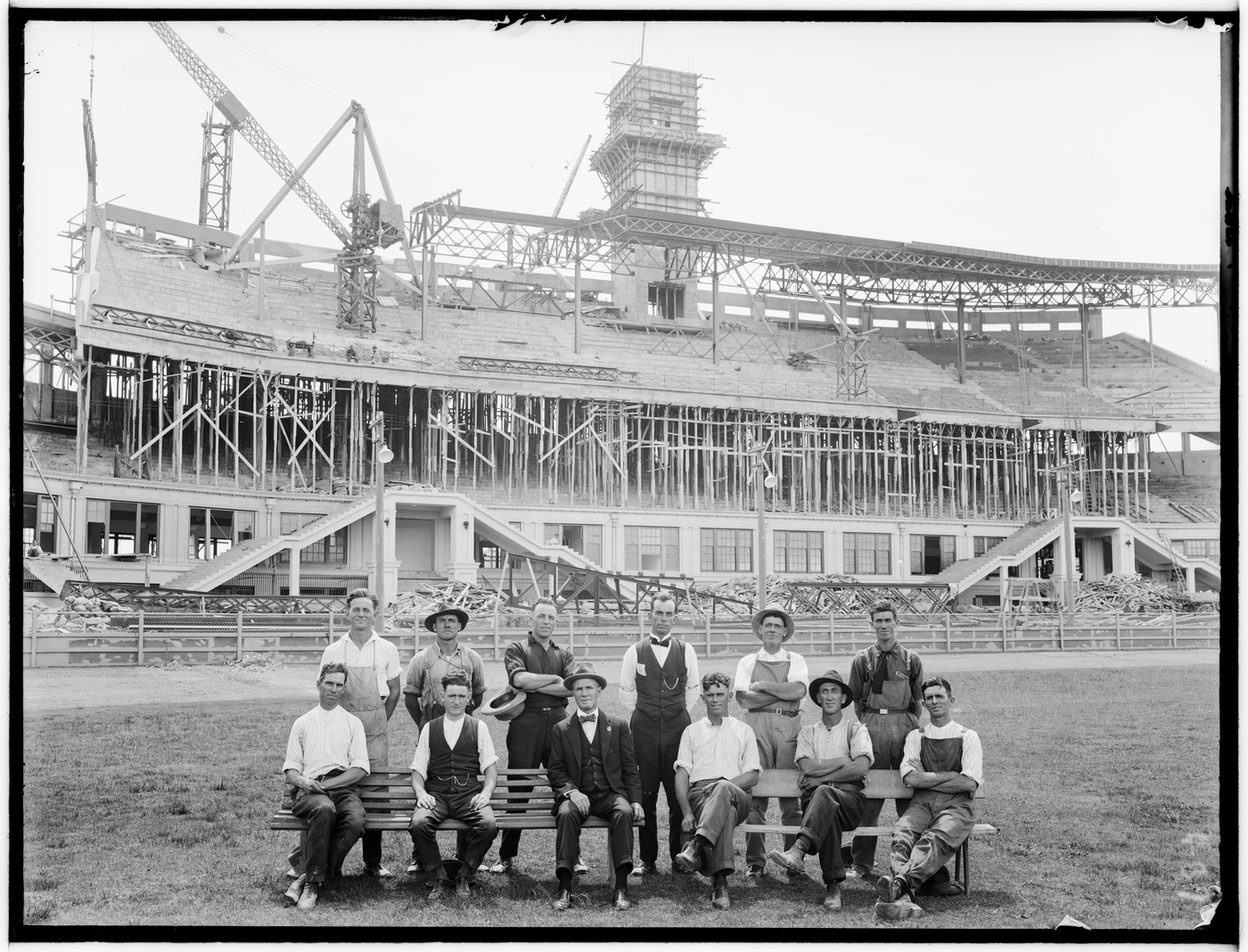
Construction of the Members Grandstand, in 1924 by Arthur Ernest Foster. Taken on what is now called the Showring. Image credit of Mitchell Library, State Library of New South Wales

EQ History
EQ History | The Story of the Entertainment Quarter
Acknowledgement of Country
The Entertainment Quarter acknowledges the Gadigal People of the Eora Nation, the traditional custodians of this land, and pays its respects to Elders both past and present.
Early land use and Sydney Common
EQ History begins in the early 1800s. After only a short period of European settlement, Sydney Town was already overcrowded and residents needed land outside the city to graze livestock. So in 1811, Governor Lachlan Macquarie selected a large area of land with sandy soil and swampy patches, and called it Sydney Common. (On today’s map, that area would include Centennial Park, Moore Park Golf Course, ES Marks Athletics Field, Randwick Racecourse and the entire Moore Park precinct.)
Water supply and Lachlan Swamp
The cattle were happy; the city-dwellers were happy. All was good – until it was discovered that the Tank Stream, Sydney’s main water supply, had become polluted. With desalination technology still a long way off, the city needed to find a new natural water supply. It turned to the lagoons and marshes around Sydney Common, later renamed Lachlan Swamp.
Busby’s Bore and land changes
In 1837, local engineer John Busby designed an underground aqueduct to deliver water from Lachlan Swamp to Hyde Park. He dammed the lagoons and damned his slow convict workers, and set his name in stone by building Busby’s Bore. You can still find above-ground troughs and fountains along the course route today. From here on, the land around Lachland Swamp became less and less “common”.
Racing, Moore Park and public recreation
In 1833, NSW Governor Richard Bourke sectioned off some of the land for use as a racecourse. (Until then, Hyde Park had been the main racing venue for the city). The Australian Jockey Club was given the racecourse in 1863 and later merged with the Sydney Turf Club in 2011. The racecourse was officially approved by the Queen to become known as Royal Randwick.
By 1867, Sydney had itself a Municipal Council and they decided to carve off another chunk of Sydney Common and dedicate the land to the Mayor, Charles Moore. Named Moore Park, the land was to be developed for recreation and this was initiated with the planting of Moreton Bay Fig trees and Monterey Pines. Those trees are now large monuments and signature features of the Moore Park area.
Zoo, Centennial Park and Federation
While the flora was flourishing, there was little fauna in the area. That changed in 1879 when a Zoological Garden was established, including an elephant donated by the King of Siam. However, the zoo was plagued by bad luck and an actual plague – Bubonic to be specific.
A kangaroo found to be afflicted with the contagion caused the zoo to be shut down and buildings within it burnt. Eventually a new zoo with a view was established on the edge of Sydney Harbour at Taronga Park.
To commemorate the one hundredth anniversary of European settlement, in 1888 a large tract of land was sectioned off as a nature reserve and called Centennial Park. A specially built pavilion was constructed within the park. On January 1, 1901, Lord Hopetoun was sworn in there as the first Governor General of the newly federated Australia.
The Royal Agricultural Society and the Showground
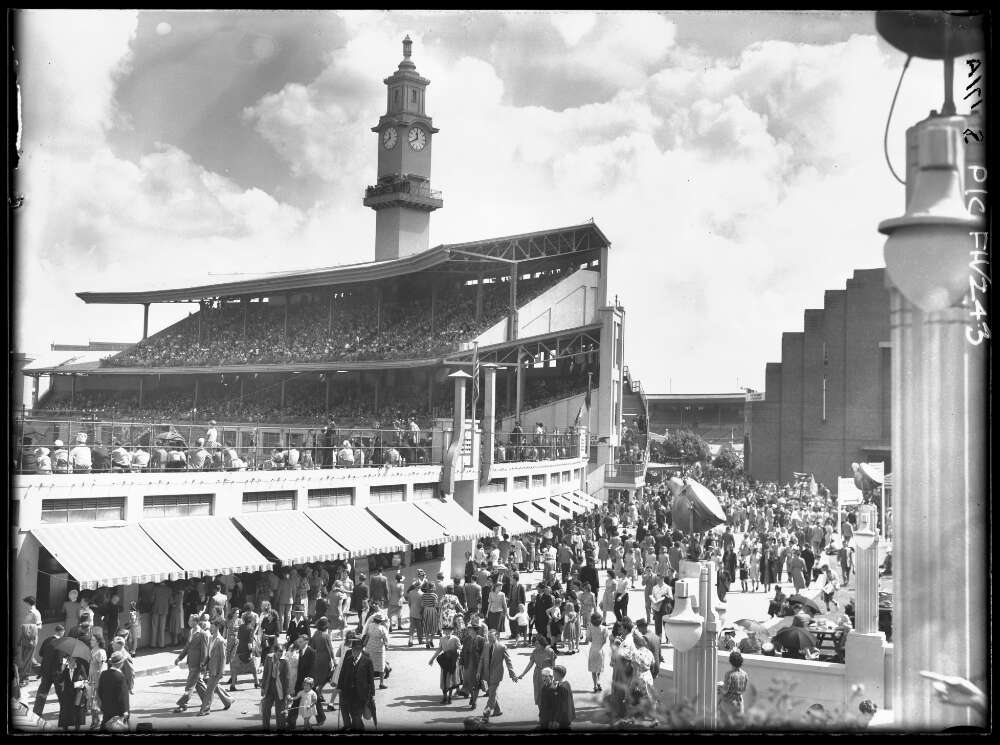
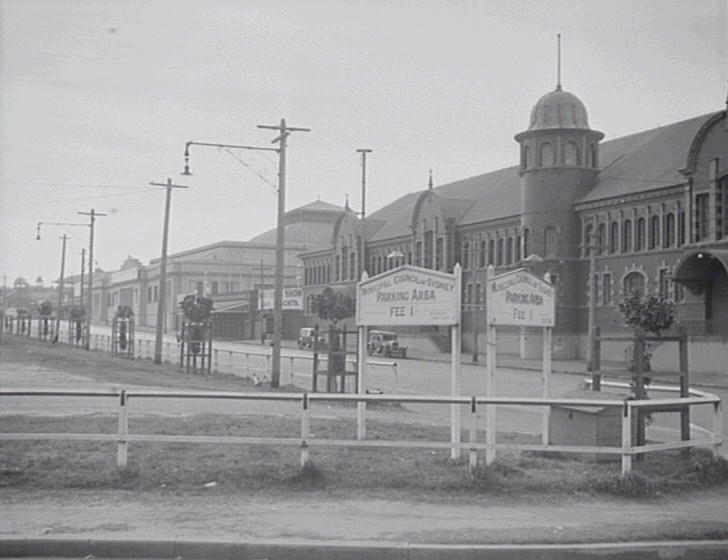
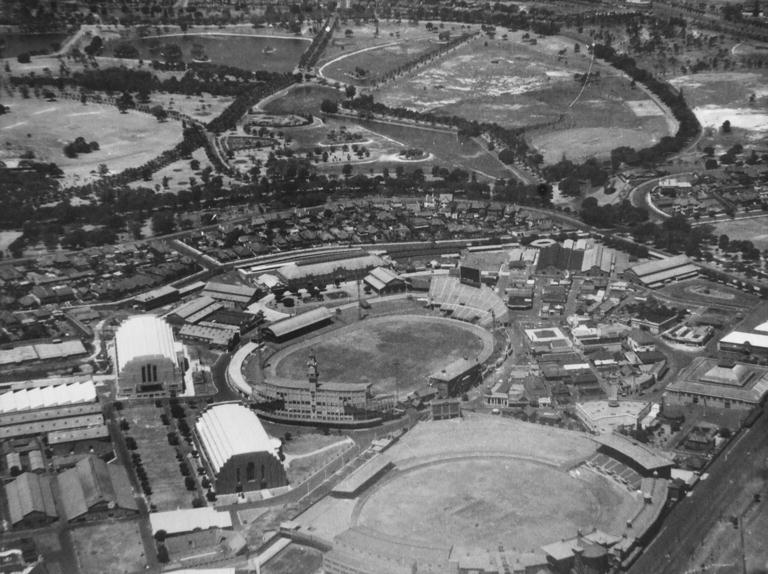
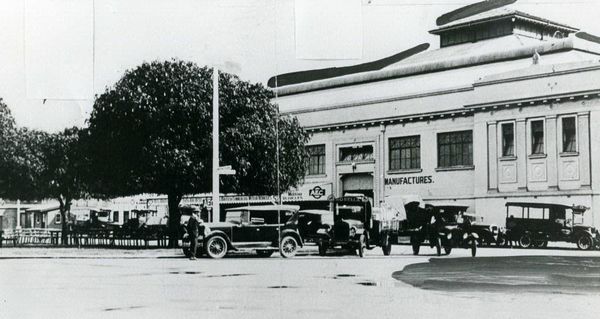
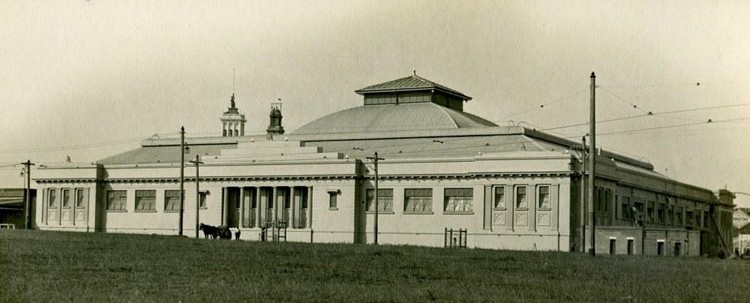
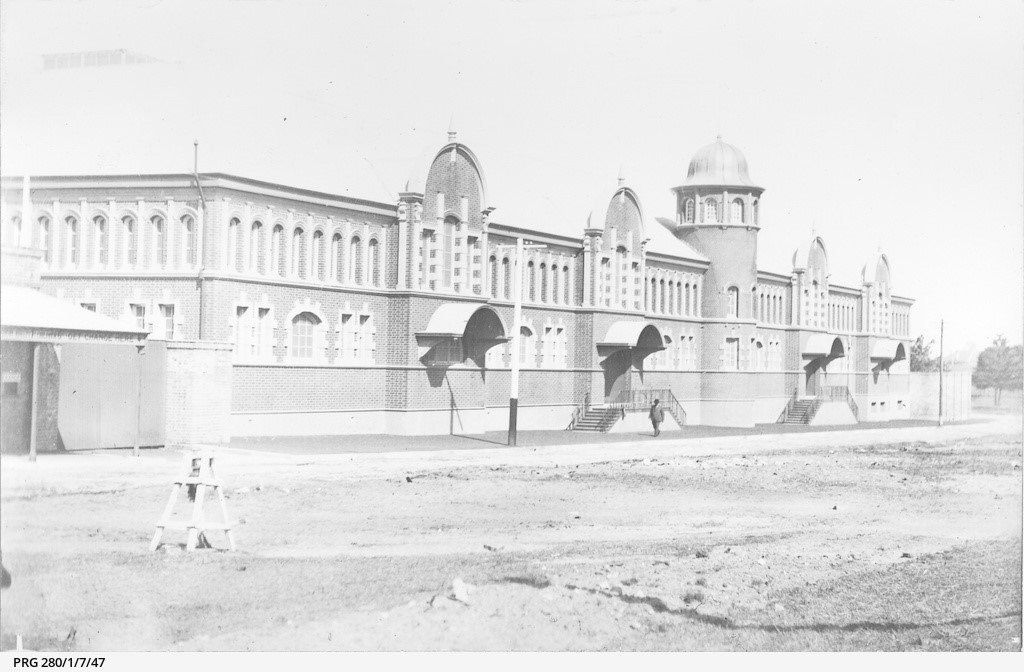
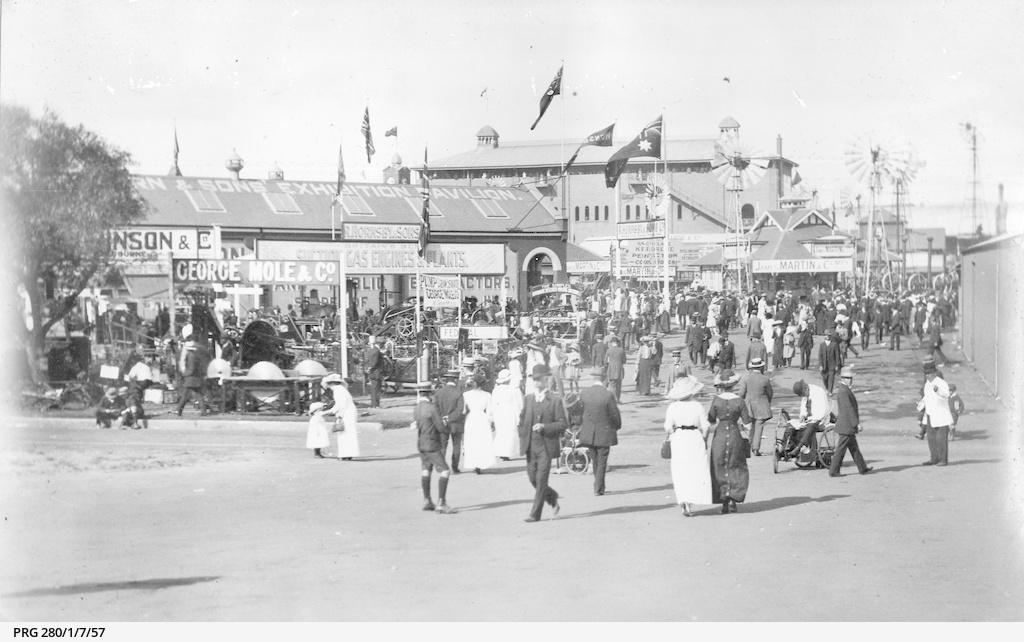
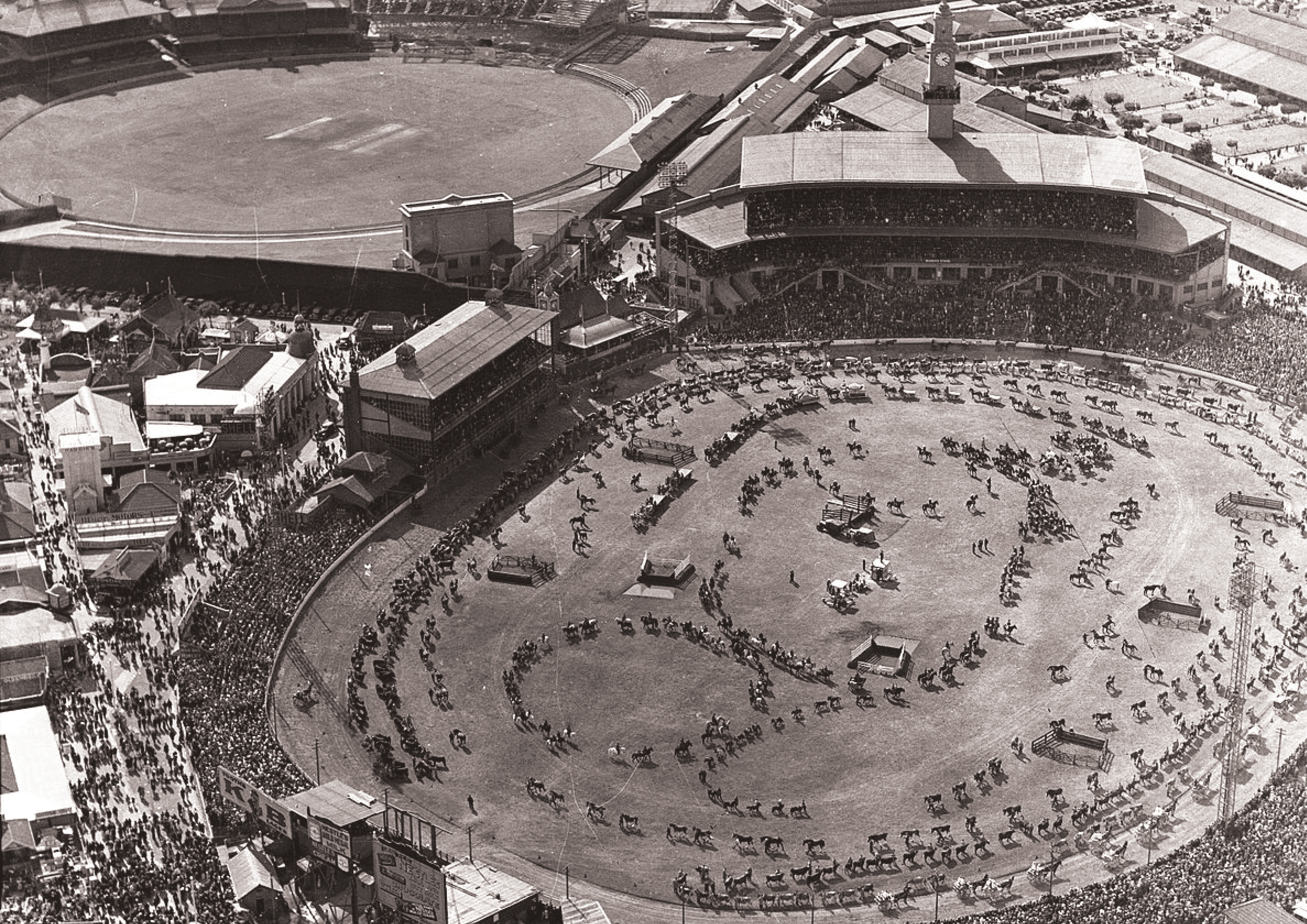
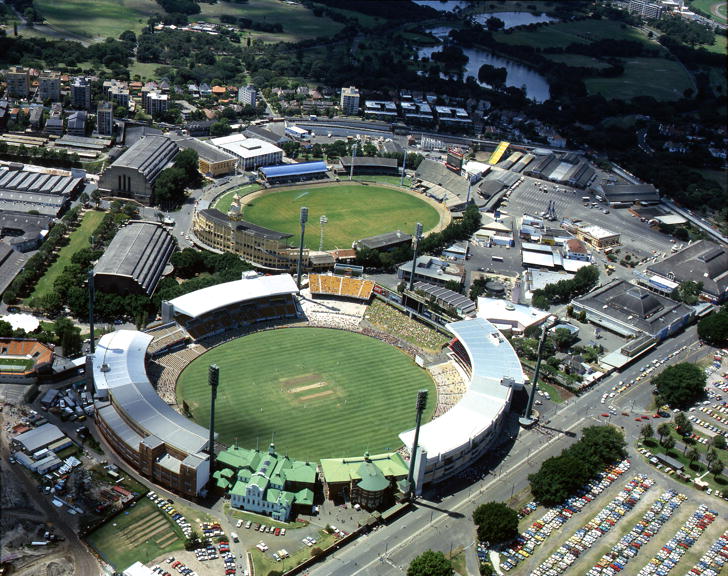
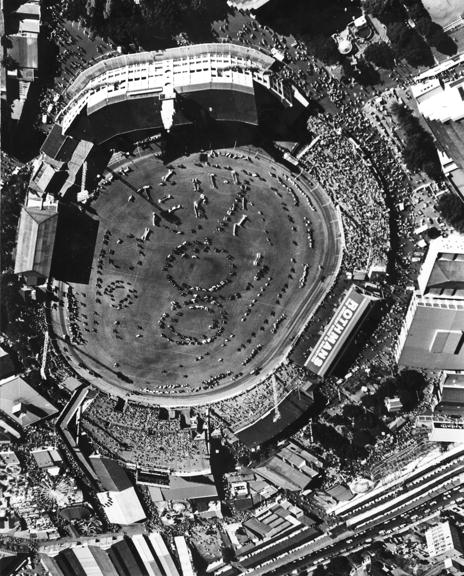
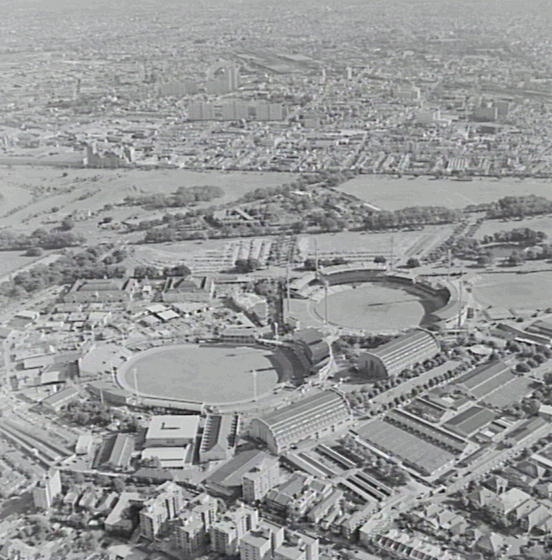
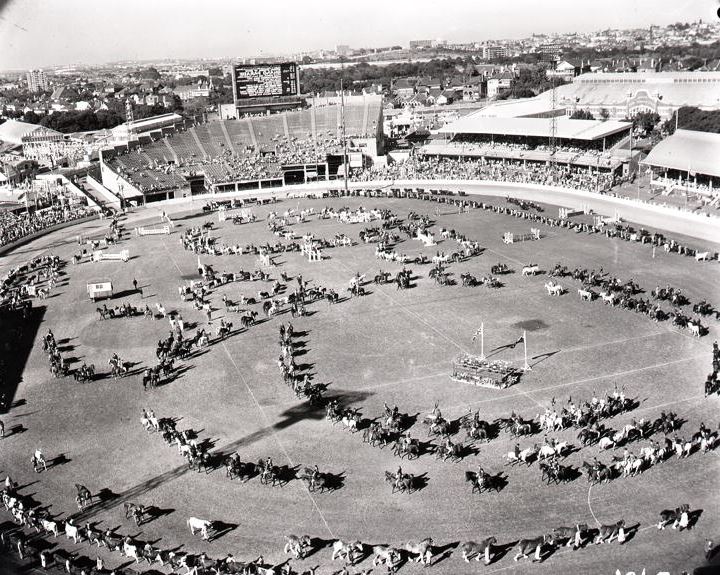
Arguably, the organisation that had the most influence on the look and character of Moore Park is the Royal Agricultural Society of NSW (RAS). It established the Showground and held its first exhibition in 1882. The exhibition showcased produce, art, craft and machinery, along with demonstrations of talent and skill such as woodchopping, equestrian events and whip cracking. It became known as the Royal Easter Show, an annual event that remains a key part of Sydney’s cultural calendar. “The Show” grew in size and duration until it outgrew the venue and relocated to Sydney Olympic Park in 1997.
During times of the year when it wasn’t Easter, the Main Arena, known as The Showground, hosted other major events. It doubled as the Sydney Showground Speedway from 1926 − 1996, drawing large crowds to watch motorcycle, speed car, and stockcar racing, demolition derby, and daredevil displays.
Fox Studios and the Entertainment Quarter
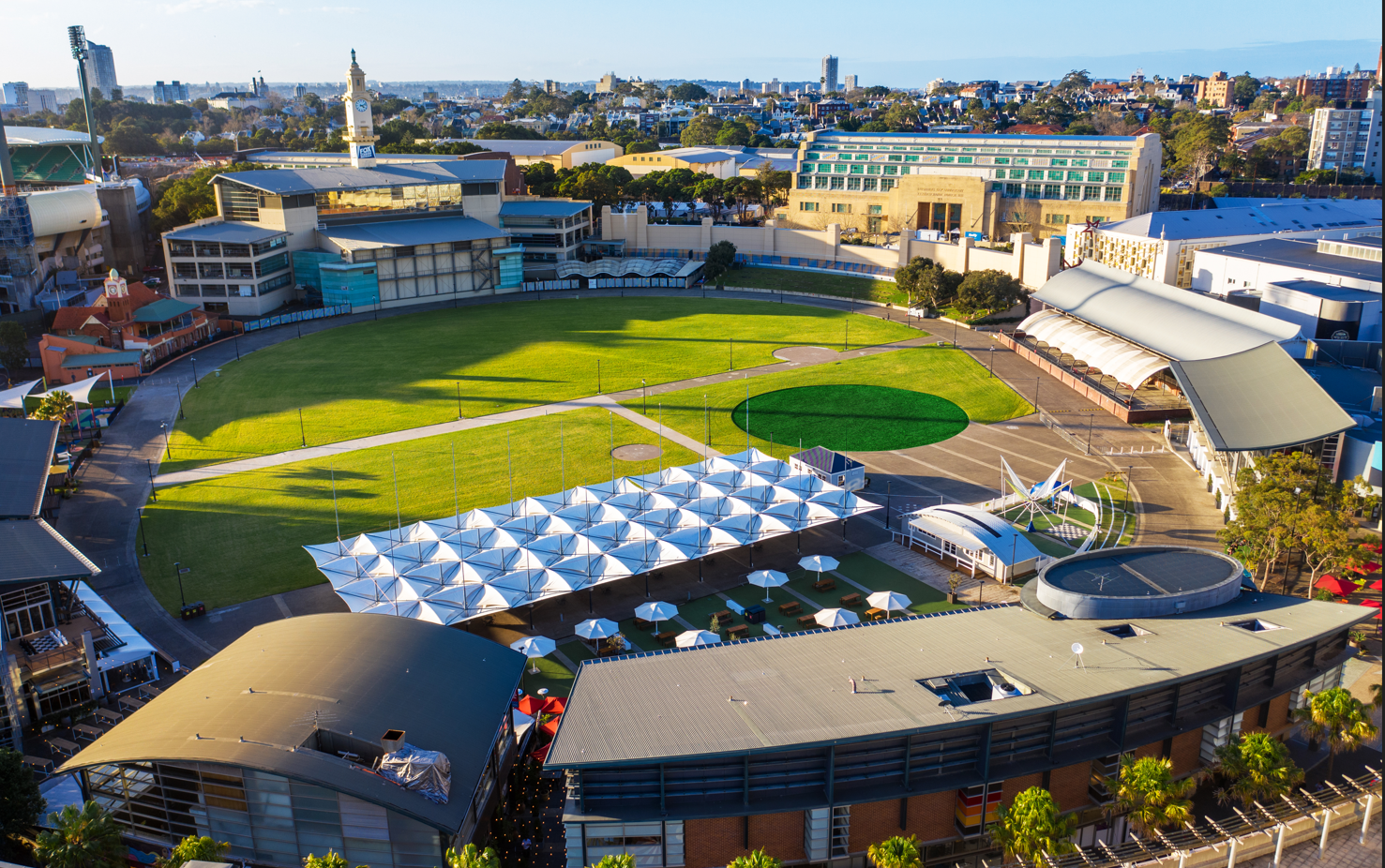
In 1998, the former Sydney Showground at Moore Park became home to Fox Studios Australia. The Fox Studios Backlot was reportedly based on Universal Studios Hollywood, Universal Studios Florida and Disney’s Hollywood Studios. The $261 million park opened on 7 November 1999. An adjacent precinct provides restaurants and cafes, a retail complex, parklands, entertainment venues, and sporting facilities. The adjacent precinct was previously known as simply ‘Fox Studios Entertainment Precinct’.
The Backlot closed in 2001. The site continued as an events and entertainment precinct and became known as the Entertainment Quarter.
Iconic venues and fun facts
The first official NSW Rugby League Premiership game was played at the Showground – NSW vs New Zealand in 1907 (NZ won). Rugby League grand finals were played there until 1987. The first Ashes Test cricket match in Australia was played there in 1883. In 1977, World Series Cricket was forced to stage its first match at the same venue. It later became the favoured outdoor venue for stadium style concerts and hosted shows by, among others, Led Zeppelin, ABBA, David Bowie, The Police and KISS.
The Sydney Cricket Ground (SCG) began life as a flat oval but by 1882 it had two grandstands, The Brewongle Stand and Member’s Stand. By around 1920 it resembled the grounds we recognise today. The immortal Sir Don Bradman drew large crowds during the 1920s and ‘30s. In 1978, the rebellious World Series Cricket, created by Kerry Packer, held its first match at the venue. This led to the construction of six highly luminous light towers for night cricket. The SCG is Sydney’s preeminent cricket ground.
When the RAS moved to Homebush, the Showground was redeveloped to cater for a diverse range of uses including film, television and entertainment industries.
The Hordern Pavilion was built as an exhibition space by RAS in 1924. In 1972 it was modified to accommodate various uses and became the indoor venue for live music concerts until 1983 when the Sydney Entertainment Centre opened. It then became home to rave parties including the Mardi Gras Party and Sleaze Ball. It continued to function as an exhibition hall during the Easter Shows until 1997. That year, it was privately purchased and renovated, becoming a preferred venue for live music and other events once again.
It continued to function as an exhibition hall during the Easter Shows until 1997. That year, it was privately purchased and renovated, becoming a preferred venue for live music and other events once again. It’s colourful resume includes having been used as a morgue, dance hall, roller and ice skating rink, boxing venue and beloved Showbag Pavilion for the Easter Show. It too was privately purchased after the RAS moved and is now hired out for large functions, festivals and events.
The Entertainment Quarter today
Today, the main focus of activities around the Moore Park precinct revolves around sports, entertainment, arts, culture and lifestyle. As a key component of the precinct, the Entertainment Quarter accommodates many of those activities and provides open spaces for hire for public and private events.